
Digital Banking
Brief Guide on Digital Banking in India
Key Takeaways
- Digital Banking has essentially automated the banking processes in India.
- Digital Banking allows you to conduct transactions on devices like computers, laptops, tablets, and mobile phones.
- You can open a savings account without visiting the bank branch.
- You can also make utility bill payments and set up billers.
- With Digital Banking, you can access your bank account 24×7.
The world we live in is speedily transitioning into a digital one. Can you remember the last time you visited your bank after opening your account or waited in a queue to withdraw money at your bank branch? Such is the impact of technological advancements that the banking sector has been completely revolutionised. Let us find out what is Digital Banking and why is it more sought after than your brick-and-mortar bank branches.
What is Digital Banking?
Digital Banking means automating conventional banking through digital platforms like the web and internet-enabled systems like mobile devices. With Digital Banking, you can access almost all financial services at the tip of your fingers, all year round, irrespective of national or bank holidays. It entirely eliminates the need for you to visit the bank.
Types of Digital Banking
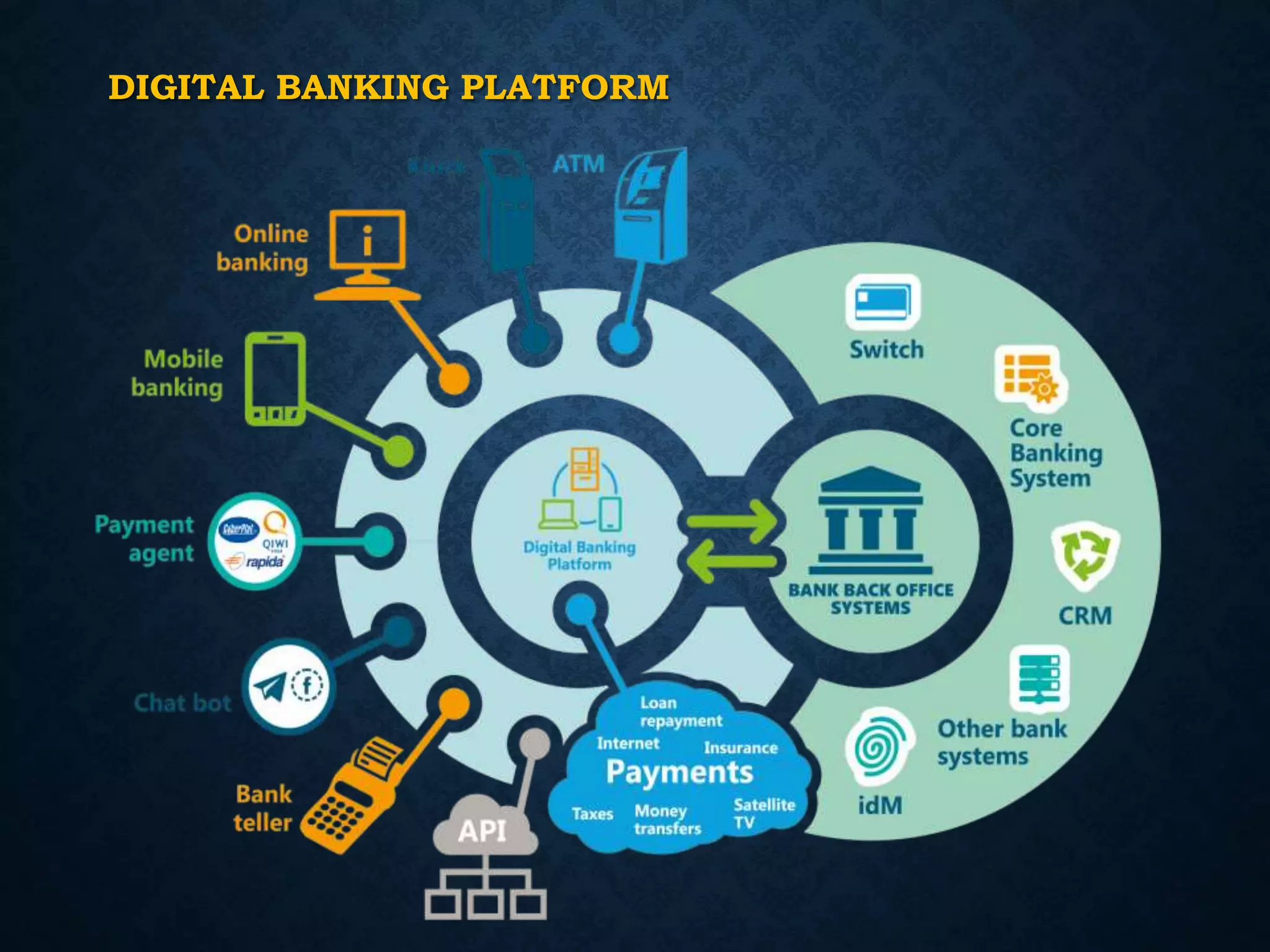
Digital banking helps you access banking services without visiting a branch. These are the main types of digital banking:
- Mobile Banking – You can use a bank app like the DBS digibank app to check your balance, transfer money, pay bills, or manage your account directly from your phone. It is a core part of online digital banking.
- Internet Banking – Through a browser, you can log in to your account to view transactions, schedule payments, or update details. It works well for tasks that require a larger screen or document uploads.
- ATM Services – ATMs allow you to withdraw cash, deposit money, or check balances. These services are part of the broader digital banking network and remain useful for in-person cash needs.
- Phone Banking – Some banks offer basic services over a phone call. You can check your balance, block a card, or get support without using the internet.
- SMS Banking – With SMS banking, you can receive transaction alerts or request account information through text messages. This is helpful when internet access is limited.
You can also open a Digital Saving Account online with DBS Bank. It allows you to manage your savings, make transfers, and pay bills without visiting a branch.
Digital Banking Services
Digital banking provides a range of services that help you manage your finances without visiting a branch. These services are available through digital platforms like mobile apps, internet banking, ATMs, and phone banking.
Here are some common digital banking services:
- Account Access – Check your balance, view transaction history, and download account statements.
- Money Transfers – Send money to your own accounts, other bank accounts, or make UPI and IMPS transfers.
- Bill Payments – Pay utility bills, credit card bills, and recharge your mobile or DTH services.
- Deposits and Investments – Open or manage fixed deposits and recurring deposits, and sometimes even invest in mutual funds or other products.
- Card Management – Block or replace your debit card, change your PIN, or request a new card.
- Service Requests – Update your contact details, check loan status, or request account-related services.
Features of Digital Banking
The features of digital banking make it easier to manage your money without going to a bank branch. These tools are part of most online and mobile banking platforms, giving you greater control over your finances.
- 24×7 access through internet banking and mobile apps
- Online account opening using digital onboarding and Video KYC
- Multiple fund transfer options like NEFT, IMPS, RTGS, UPI, and overseas transfers
- Utility bill integration for easy payments via bank platforms
- Secure online payments through net banking or debit card OTP verification
- Built-in investment services such as opening deposits or applying for loans
You May Also Check : What Is Banking
Benefits of Digital Banking
The benefits of digital banking go beyond convenience. It allows you to manage everyday financial tasks with speed and efficiency, helping you stay on top of bills, savings, and investments.
- Saves time by reducing the need to visit a branch
- Improves payment accuracy with auto-debit options for bills and dues
- Helps manage finances with real-time balance checks and SMS alerts
- Supports better financial planning by bringing payments, investments, and account services together; many banks also provide tools like a Savings Interest Rate Calculator to estimate returns on deposits
- Enhances convenience with online shopping, subscriptions, and recharges handled directly from your account
Difference between Digital Banking and Online Banking
Though often used interchangeably, digital banking and online banking are not the same. Here’s a quick look at how they differ:
| Aspect | Digital Banking | Online Banking |
| Scope | Covers all banking services through digital platforms | Focuses mainly on internet-based account access |
| Channels | Includes mobile apps, ATMs, SMS alerts, and more | Limited to the bank’s website |
| Services Offered | End-to-end services like onboarding, investments, loans | Basic functions like fund transfer and bill payment |
| User Experience | App-based, integrated, often includes AI features | Simple browser-based interface |
Digital banking is broader and more integrated, while online banking is one part of the larger digital experience.
Final note
Digital banking is one of the most significant breakthroughs of the banking institutions and financial sectors in India. Like all online banking transactions, digital banking works only if you have a secure and stable internet connection. While digital banking is primarily secure, it is not risk-averse. As such, you must not share your account login and password details with anyone.
FAQs – Digital Banking
-
Is digital banking safe?
Yes. Banks use encryption, secure logins, and two-factor authentication to protect your account. Following good practices, like not sharing your password, adds an extra layer of security.
While comparing accounts, look for banks offering top savings account interest rates along with secure and easy digital access. DBS Bank, for example, offers up to 5.5% interest on its digital savings account.
-
How do I open a digital banking account?
You can open a digital banking account through your bank’s website or app. Most banks now support online onboarding and Video KYC, making the process quick and fully digital.
-
What if I forget my digital banking password?
Use the ‘Forgot Password’ link on your bank’s login page. You’ll be asked to verify your identity before setting a new password.
-
Are there any charges for digital banking?
Most basic services like balance checks, fund transfers, and bill payments are free. Some banks may charge for premium features or cross-bank services
-
What should I do if I notice suspicious activity on my digital banking account?
Report the activity to your bank immediately using the helpline or app. Change your password at once and keep an eye on further transactions.